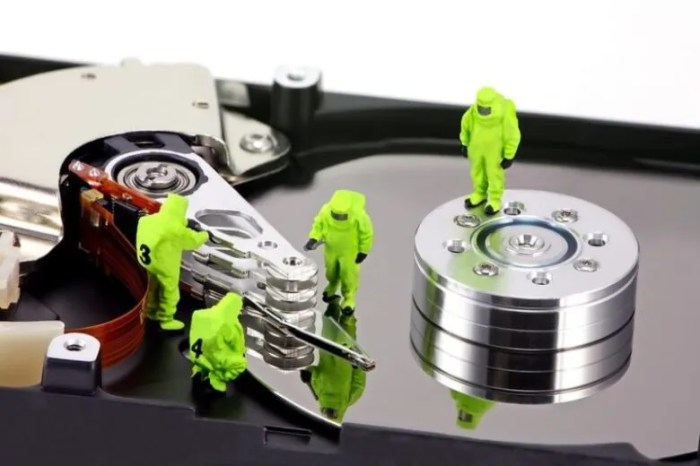
Picture this: your hard drive decides to throw a tantrum, and suddenly, all your precious files vanish like a magician’s assistant! Fear not, for in the world of Hard drive recovery, we have tricks up our sleeves that would make Houdini proud. With a blend of science, technology, and a dash of good ol’ luck, we’ll journey through the enchanted land of data retrieval techniques and tools.
From software sleight of hand to hardware heroics, understanding how to coax your precious files back to life is nothing short of wizardry. We’ll dive into the importance of file systems and explore an array of data recovery tools that can save your day. Plus, we’ll sprinkle in some preventive measures so your data can live happily ever after—backed up and safe!
Hard Drive Recovery Techniques
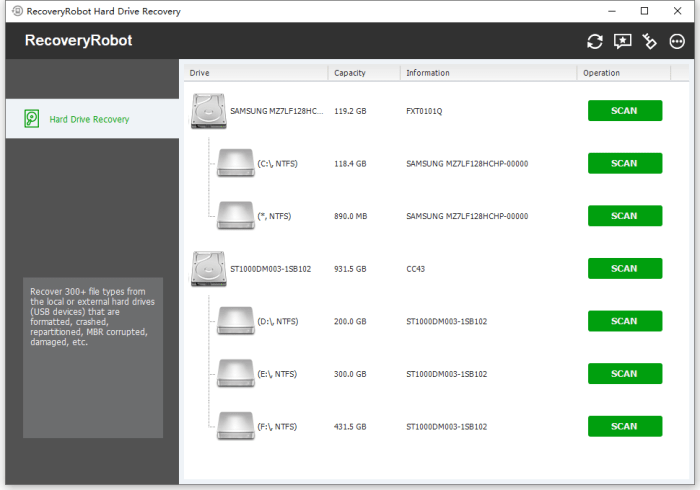
When your hard drive starts acting like a rebellious teenager, it can be hard to know how to fix it. Data loss can feel like the end of the world, but fear not! There are several techniques available for hard drive recovery that can help you reclaim your lost files and restore peace to your digital life. Let’s dive into the world of hard drive recovery methods, where hope springs eternal and file systems can be tamed.Understanding the nuances of hard drive recovery techniques is crucial for anyone who has ever heard the dreaded click of death or the infamous blue screen of doom.
Recovery methods generally fall into two categories: software and hardware solutions, each with their own strengths and weaknesses. Let’s take a closer look at these approaches, and how the file system can play a key role in the recovery process.
Comparison of Software vs. Hardware Recovery Methods
When it comes to recovering your precious data, deciding between software and hardware recovery methods can be a tough choice—like picking between chocolate and vanilla ice cream. Here’s a breakdown of the two methods to help you choose the right scoop for your data mess.Software recovery methods are typically the first line of defense. They involve using applications designed to retrieve lost files from damaged or corrupted hard drives.
Key points to consider include:
- Cost-Effective: Many software solutions are available at a fraction of the cost of hardware repairs, making them accessible even for budget-conscious techies.
- User-Friendly: Most software tools have simple interfaces, allowing even the least tech-savvy individuals to try their hand at recovery.
- Speed: Software recovery can often be completed in a matter of hours, depending on the severity of the damage and the size of the data involved.
- Limitations: If the drive has severe physical damage, software won’t be able to help—think of it as trying to save a sandwich that fell into a pool.
In contrast, hardware recovery methods are like the superheroes of the data recovery world; they swoop in when all else fails. These methods typically involve physically opening the hard drive and repairing or replacing damaged components. Here are some important features of hardware recovery:
- Complexity: This method requires specialized knowledge and equipment, often performed by professionals in cleanroom environments.
- High Success Rate: For severely damaged drives, hardware recovery has a higher chance of retrieving data that software methods may miss.
- Costly: The price tag for hardware recovery can make your wallet weep, often ranging into the hundreds or thousands of dollars.
- Time-Consuming: Depending on the complexity of the damage, the recovery process can take days or even weeks.
“The best recovery technique depends on the type of drive failure and your budget. Knowing when to send in the cavalry—or when to try a DIY approach—can save you time and money.”
Importance of Understanding File Systems in Recovery
Navigating the world of hard drive recovery without understanding file systems is like trying to drive a car without knowing which pedal is the gas and which is the brake. Different file systems—like NTFS, FAT32, and HFS+—play a crucial role in how data is stored and retrieved. Here’s why having a solid grasp on file systems is essential for effective recovery:
- Data Structure: Each file system organizes data differently, affecting recovery methods. Understanding this structure can help you choose the right approach.
- Recovery Tools Compatibility: Not all recovery software supports every file system. Knowing the file system ensures you select a tool that can actually recover your data.
- File Allocation: Knowledge of how files are allocated on the disk can give insights into how to recover them effectively—like knowing where to dig when searching for buried treasure.
- Prevention of Further Damage: Understanding the file system can also prevent actions that could exacerbate data loss, such as writing new data to the drive that could overwrite lost files.
“Understanding your file system is like having a treasure map; it leads you directly to the data you thought was lost forever.”
Data Recovery Tools
In the world of data recovery, the right tools can mean the difference between a triumphant victory over lost files and a tragic defeat against the unforgiving void of lost data. Luckily, there are a plethora of data recovery software options available, each boasting its unique features to help you reclaim your stolen digital treasures. Let’s dive into the realm of data recovery tools, where we’ll explore some popular software, provide a detailed guide for one specific tool, and also bring to light the limitations of these digital saviors.
Popular Data Recovery Software and Their Features
When your data decides to play hide and seek, these trusty software options are here to help—you won’t even need to bribe them with snacks! Here’s a look at some popular data recovery tools and what they bring to the table:
- Recuva: This user-friendly tool offers a wizard-like interface that guides you through the recovery process, making it ideal for rookies. It boasts deep scanning capabilities, ensuring that even those pesky files that are buried deep in the file system can be unearthed.
- EaseUS Data Recovery Wizard: This multifunctional tool can recover files from various devices, including memory cards and external drives. It features a preview option, allowing you to verify your lost files before committing to the recovery process—no more blind dates with your files!
- Stellar Data Recovery: Known for its impressive recovery rates, Stellar can tackle complex data loss scenarios, including formatted drives and partition loss. It even offers a “Clone” feature, which allows you to create an exact copy of the drive—perfect for those who like to play it safe!
- Disk Drill: This tool is packed with features like data protection and drive health monitoring. It has a sleek interface and can recover over 400 file types—it’s like the Swiss Army knife of data recovery!
Using EaseUS Data Recovery Wizard
Navigating through data recovery can feel like being lost in a digital jungle, but with EaseUS Data Recovery Wizard, you’ll be swinging from tree to tree with ease. Here’s a step-by-step guide on how to use this tool to recover your lost data:
1. Download and Install
Grab the software from the official EaseUS website. Install it on a different drive than the one you wish to recover files from—trust me, you don’t want to overwrite potential recovery targets!
2. Select the Drive
Open the software and select the drive or device from which you want to recover data. This could be your trusty hard drive or a flash drive that suddenly decided to take a vacation.
3. Scan for Lost Files
Hit the ‘Scan’ button. The software will perform a quick scan, followed by a deep scan that digs even deeper into the digital depths. Grab a snack; this part may take a while.
4. Preview and Recover
Once the scan is complete, you’ll see a list of recoverable files. You can preview them to ensure they are the right ones (no chance encounters with long-lost files you didn’t want!). Select the files and click on ‘Recover’ to restore them to a safe location.
5. Save Your Recovered Data
Choose a different drive to save your recovered files. Remember, it’s all about giving your data a safe haven after its harrowing adventure!
Limitations of Data Recovery Tools
While data recovery tools can work wonders, they are not magic wands that can bring every lost file back from the dead. Here are some limitations that users should consider before relying solely on these software solutions:
- Time Constraints: The longer you wait to recover lost data, the more likely it is that the data may become overwritten. Some users might mistakenly think it’s safe to keep using the drive, but that’s like trying to fix a leaky roof during a rainstorm—never a good idea!
- File Overwrites: If new data has been written to the drive post-data loss, recovering the original files becomes increasingly difficult—think of it as trying to find a needle in a haystack that just got a fresh delivery of hay.
- Partial Recovery: Sometimes, only fragments of files can be recovered, especially if they were badly damaged or corrupted before deletion. Imagine piecing together a jigsaw puzzle with only half the pieces—frustrating, right?
- Cost Implications: While some tools offer free versions, advanced features or recoveries may require a purchase. It’s essential to weigh the cost against the value of your lost data—like deciding whether to buy a new pair of shoes or save for a vacation!
Preventive Measures for Data Loss
In the wild world of bytes and bits, data loss can strike like a rogue ninja. One moment, your precious memories and crucial documents are safely stored on your hard drive, and the next, they vanish as if they were never there. Fear not! There are preventive measures that can transform you from a data victim into a data-savvy superhero.
Let’s dive into the practical steps you can take to protect your digital treasures.
Best Practices for Backing Up Data
Backing up data is akin to bringing an umbrella on a sunny day—seems unnecessary until the sky opens up. Here are some golden rules for effective data backup:
- The 3-2-1 Rule: Keep three copies of your data, stored on two different types of media, with one copy off-site. This way, if a meteor were to strike your house, your data’s safe at Aunt Mabel’s.
- Use Cloud Storage: Services like Google Drive, Dropbox, or OneDrive offer virtually limitless space in the sky, perfect for storing files that you don’t want to lose. It’s like putting your data on a cloud—fluffy and safe!
- Automate Backups: Set up automatic backups using software solutions that work in the background while you binge-watch your favorite series. This ensures your data is backed up without you lifting a finger… except maybe to grab a snack.
Common Causes of Data Loss and Mitigation Strategies
Understanding the common culprits behind data loss is half the battle. Here’s a neat list to keep in mind:
- Hardware Failure: Hard drives are like appliances—they eventually wear out. Mitigation involves regular check-ups and replacing drives every few years.
- Accidental Deletion: Oops! We’ve all been there. Use file recovery software to grab those files back from the abyss, or better yet, avoid the panic by double-checking before hitting delete.
- Malware and Viruses: These digital gremlins can wreak havoc on your data. Install robust antivirus software and keep it updated so you can fend off these nasty surprises.
- Power Outages: Sudden shutdowns can corrupt files faster than you can say “data loss.” Invest in an uninterruptible power supply (UPS) to keep your system running smoothly during electrical hiccups.
Significance of Regular Maintenance on Hard Drives
Regular maintenance is the secret sauce that glues together hard drive longevity and data integrity. A hard drive is like a car; it needs a tune-up now and then. Here’s why maintenance matters:
- Disk Cleanup: Over time, files accumulate like laundry on a teenager’s floor. Regularly cleaning up unnecessary files helps improve performance and ensures your drive isn’t drowning in clutter.
- Defragmentation: On traditional spinning hard drives, defragmentation rearranges fragmented data, allowing for faster access. It’s like organizing your bookshelf—easy to find the good stuff!
- Health Monitoring: Utilize tools to monitor the health of your hard drives. Software like CrystalDiskInfo can alert you when your drive is on its last legs, allowing for proactive replacement before disaster strikes.
“An ounce of prevention is worth a pound of cure.”
Benjamin Franklin, probably referring to data loss.
Summary
In the grand finale of our data recovery saga, we’ve unraveled the mysteries of hard drive recovery techniques, tools, and preventative measures. Whether you’re a data hoarder or just someone who occasionally misplaces a file, knowing how to recover and protect your data is essential. So, the next time your computer throws a fit, you can channel your inner tech wizard and rescue your files from the abyss!
Detailed FAQs
What should I do first if I lose data?
Stay calm! Immediately stop using the hard drive to prevent overwriting lost data and assess your options for recovery.
Are data recovery tools always successful?
Not always! Their success depends on the extent of the damage and whether the data has been overwritten.
How often should I back up my data?
Ideally, back up your data regularly—daily or weekly, depending on how frequently you change files. Better safe than sorry!
Can I recover data from a damaged hard drive?
Yes, but it might require professional services if the damage is severe. DIY methods may not always be effective in such cases.
Is there a way to prevent future data loss?
Absolutely! Regular backups, using reliable software, and maintaining your hard drive can significantly reduce the risk of data loss.


