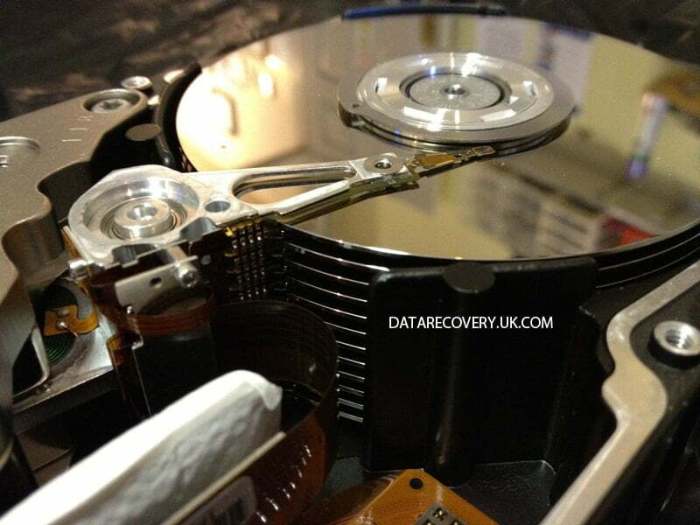
Forensic data recovery is like the digital detective work of the tech world—when data goes missing, these sleuths step in to solve the mystery! With a magnifying glass in hand, or perhaps just a very powerful piece of software, they navigate through bytes and bits, uncovering lost information that could change the course of investigations.
This intriguing process involves a detailed dance of techniques and tools, from analyzing corrupted files to employing crime-fighting software that’s as sophisticated as a Swiss Army knife, ensuring that every digital breadcrumb is accounted for. In a realm where data is king, understanding how forensic data recovery works is essential for anyone involved in digital forensics, whether you’re a techie or just a curious onlooker.
Understanding Forensic Data Recovery
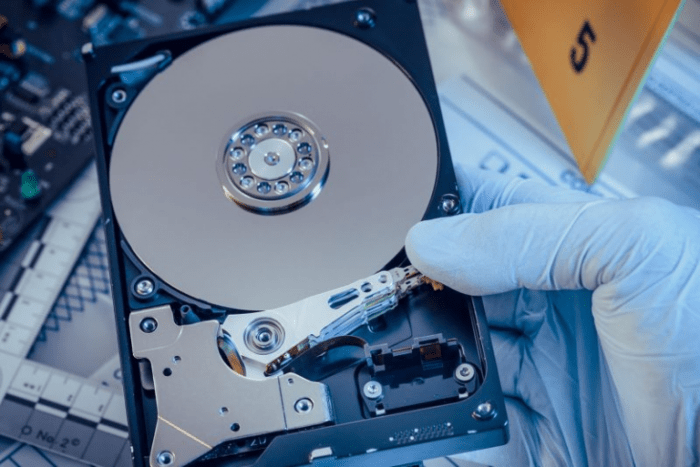
Forensic data recovery is the superhero of the digital world, swooping in to save the day when data goes missing faster than your favorite snack at a party. In the realm of digital investigations, it plays a critical role, helping investigators unravel mysteries encoded in zeros and ones. Whether it’s a corporate espionage case or a personal data breach, forensic data recovery is the meticulous detective working tirelessly behind the scenes to recover lost evidence and ensure justice prevails.The process of forensic data recovery is like a delicate dance, combining technical prowess with a sprinkle of detective flair.
It begins with the identification of the data loss incident, which could stem from hardware failure, accidental deletion, or even malicious attacks. Investigators then create a bit-for-bit copy of the storage device to work on, ensuring that the original data remains untouched. This meticulous approach preserves the integrity of the evidence, ensuring it holds up in a court of law.
After creating a safe space to work, the actual recovery begins, utilizing various techniques and tools to extract and analyze the lost data.
Process of Forensic Data Recovery
The forensic data recovery process can be broken down into several critical stages, each vital for ensuring the success of the recovery operation. Understanding these stages highlights the importance of a systematic approach in digital forensic investigations.
- Data Preservation: Before diving into the recovery, forensic experts isolate the data source to prevent any further alteration. It’s akin to placing a crime scene under tape before anyone can disturb the evidence.
- Data Imaging: A complete sector-by-sector copy of the storage medium is created. This “image” is what the forensic specialists will analyze, leaving the original device intact. Think of it as making a flawless duplicate of your grandma’s secret cookie recipe.
- Data Recovery: Various methods are employed to recover lost or deleted files. This includes file carving, where fragments of files are pieced back together like a puzzle, alongside recovery software that acts like a digital archaeologist.
- Data Analysis: Once the data is recovered, forensic experts delve into it to extract relevant information. This might involve examining metadata, file structures, and user activity logs, much like detectives sifting through clues at a crime scene.
- Reporting: Finally, findings are documented in a detailed report that can be presented in court. This report serves as a formal record of the recovery process and ensures transparency and credibility.
Techniques and Tools Used in Forensic Data Recovery
The world of forensic data recovery is rich with specialized techniques and tools, each designed to tackle specific types of data loss scenarios. Knowing the right tools can be the difference between a successful recovery and a data graveyard.
- File Carving Techniques: This method involves scanning the raw data on a storage device and reconstructing files even when their directory entries have been lost. It’s like finding a needle in a haystack, but without the risk of a hay allergy.
- Data Recovery Software: Programs like EnCase, FTK, and Recuva are popular choices among forensic specialists. These tools provide a user-friendly interface for extracting and analyzing data, making it easier to recover lost files faster than you can say “data breach.”
- Hex Editors: Using hex editors allows forensic experts to view and manipulate raw data at the byte level. This tool is essential for recovering data that’s hidden deep beneath the surface, like a secret layer in a lasagna.
- Write Blockers: These devices prevent any writing to the original media during the recovery process, ensuring that the evidence remains pristine. Think of write blockers as the digital equivalent of a museum guard keeping your precious artifacts safe from sticky fingers.
- Cloud Forensics Tools: As more data moves to the cloud, tools specifically designed for cloud recovery have emerged. These tools help investigators retrieve information stored in cloud platforms, ensuring that even the most elusive data can be brought back to light.
Tools and Technologies in Forensic Data Recovery
In the ever-evolving world of forensic data recovery, having the right tools is as crucial as a detective having their magnifying glass. The technology landscape is filled with software and hardware that can turn a digital crime scene into a virgin playground of recoverable data. Let’s dive into the shiny gadgets and software that make forensic recovery as thrilling as a high-speed chase in a movie, minus the explosions (unless they happen to be those of hard drives, of course).
Popular Software Used for Forensic Data Recovery
Various software tools are essential for forensic investigators, each equipped with unique functionalities to tackle data recovery with a finesse reminiscent of a master chef crafting an exquisite dish. Here are some of the most widely-used applications that turn data recovery into an art form:
- EnCase: A veteran in the field, EnCase is like the Swiss Army knife for forensic recovery, allowing investigators to acquire, analyze, and present digital evidence in a court of law. It can even recover data from damaged drives, proving that sometimes, you can indeed bring a dead hard drive back to life.
- FTK Imager: This tool is akin to a digital locksmith, letting forensic experts create complete images of hard drives and analyzing file structures. FTK Imager can even work with encrypted files, so it’s like having the key to a treasure chest of data.
- R-Studio: Known for its versatility, R-Studio is like a chameleon, adapting to various operating systems and file systems. It’s particularly useful in recovering data from RAID arrays, which can be as tricky as untangling a bowl of spaghetti.
- PhotoRec: This open-source tool focuses on recovering lost files, making it a go-to for rescuing everything from precious family photos to critical business documents. It’s like a digital lifeguard, ready to save your data from drowning in a sea of corruption.
Each of these tools plays a vital role in the digital detective’s toolkit, ensuring that no byte of evidence is left behind in the pursuit of justice.
Hardware Tools Typically Employed in Forensic Data Recovery
While software is undeniably important, the hardware tools used during forensic data recovery are the unsung heroes of the process. They provide the physical means to extract and analyze data, akin to having a sturdy toolbox for any DIY project. The following hardware tools are essential in forensic recovery:
- Write Blockers: These devices prevent any modifications to a drive while it’s being examined. Think of them as the digital equivalent of a bouncer at a nightclub, ensuring that nothing enters or exits without permission.
- Data Recovery Enclosures: These enclosures allow for the connection of damaged or dead drives to working systems without risking data alteration. They are like protective cases, ensuring sensitive data remains untouched during recovery efforts.
- Forensic Duplicators: Imagine a copy machine designed specifically for hard drives, duplicators create exact bit-for-bit copies of storage devices. They’re crucial for preserving original evidence while working on duplicates for analysis.
- Specialized Forensic Workstations: Equipped with high-performance components and software, these systems are dedicated to data recovery tasks. They serve as the command center for forensic investigations, bringing together all the necessary tools to solve the digital mystery.
Using these hardware tools, investigators can efficiently recover data while safeguarding the integrity of the original evidence.
Emerging Technologies Impacting Forensic Data Recovery
The landscape of forensic data recovery is not stagnant; it’s a dynamic field constantly influenced by emerging technologies. These innovations are like plot twists in a novel, changing the way investigators approach data recovery. Some of the most exciting trends include:
- Artificial Intelligence (AI): AI is revolutionizing forensic data recovery by enabling advanced data analysis and pattern recognition. Machine learning algorithms can sift through vast datasets, identifying anomalies that could indicate deleted or hidden files. It’s like having a super-sleuth assistant working tirelessly alongside human experts.
- Cloud Forensics: With more data being stored in the cloud, forensic investigators are adapting to retrieve information from cloud storage providers. This involves navigating a complex web of servers, but it’s essential for a comprehensive investigation. The cloud is the new frontier of data recovery!
- Blockchain Technology: While primarily associated with cryptocurrency, blockchain offers potential in ensuring data integrity during the recovery process. It could provide immutable records of data transactions, making it easier to establish the authenticity of recovered evidence.
- Quantum Computing: Although still in its infancy, quantum computing promises to drastically increase the speed of data processing, potentially transforming how data is recovered and analyzed. It’s the future that could turn forensic recovery from a lengthy process into a quick scoop!
These emerging technologies are reshaping the field of forensic data recovery, equipping investigators with enhanced capabilities to tackle the complexities of modern digital evidence.
Related Fields in Computers and Technology
In the vast universe of computers and technology, forensic data recovery stands as a brave knight, valiantly rescuing lost digital treasures from the clutches of corruption and mishaps. However, it doesn’t ride alone; it shares its journey with many related fields that add depth to its mission.
Connection Between Computer Forensics and Data Recovery
Computer forensics and data recovery are like peanut butter and jelly; while they can exist separately, together they create a deliciously comprehensive approach to data management. Computer forensics focuses on the investigation and analysis of computer systems, ensuring that any digital evidence is collected, preserved, and presented in a way that can withstand legal scrutiny. Data recovery, on the other hand, is the superhero that swoops in to retrieve lost data from damaged or corrupted devices.
When a system crashes, forensic experts often rely on data recovery techniques to ensure that they can access potential evidence or recover valuable information, which might otherwise be lost forever. The symbiotic relationship between the two fields means that a solid understanding of data recovery is crucial for any aspiring computer forensic investigator.
Certification Tests for Forensic Data Recovery Professionals
Certification in forensic data recovery is like the cherry on top of a sundae; it not only adds a tasty visual appeal but also signifies expertise and professionalism. Several certification programs help professionals sharpen their skills and validate their knowledge in the realm of data recovery and forensics. These certifications often cover methodologies, tools, and legal considerations integral to the field.
Some of the notable certification tests include:
- Certified Computer Examiner (CCE)
-Focuses on digital evidence examination. - Certified Forensic Computer Examiner (CFCE)
-Offered by the International Association of Computer Investigative Specialists. - EnCase Certified Examiner (EnCE)
-Concentrates on the use of EnCase software for forensic investigations. - Computer Hacking Forensic Investigator (CHFI)
-Emphasizes ethical hacking and forensic investigation techniques.
These certifications not only bolster a professional’s resume but also enhance their credibility in the field, much like a badge of honor from an intergalactic peacekeeping force.
Comparison of Personal Tech Security Practices Versus Forensic Data Practices
When it comes to tech security, personal practices often resemble a cozy blanket fort, while forensic data practices are akin to a fortified castle with a moat and a drawbridge. Understanding the differences can help individuals bolster their own security measures while appreciating the complexities involved in forensic investigations.Here’s a closer look at the differences:
- Personal Security Focus: Primarily on protecting personal data against unauthorized access or loss through methods like antivirus software and firewalls.
- Forensic Security Focus: Aims to uncover and analyze data breaches, often requiring in-depth knowledge of legal protocols and the ability to present findings in court.
- Response to Incidents: Personal security often results in data deletion or reformatting to address issues, while forensic practices involve meticulous data preservation to maintain integrity.
- Tools Utilized: Personal users may rely on readily available software solutions, whereas forensic professionals use advanced, specialized tools designed for in-depth analysis.
The stark contrast illustrates the varying levels of depth, strategy, and legal implications in managing data security, proving that while it’s great to have a secure blanket fort, sometimes a fortress is necessary to defend against the digital dragons lurking out there.
End of Discussion
In conclusion, the world of forensic data recovery is a thrilling blend of technology and mystery-solving, where every recovered file is a victory over digital chaos. As we zip through bits and bytes, we realize that behind every lost piece of data lies a story waiting to be told. So, whether you’re a professional investigator or simply a data enthusiast, embracing the art of forensic data recovery will not only empower your tech skills but also keep you on the cutting edge of digital detective work.
Question Bank
What is forensic data recovery?
Forensic data recovery is the process of retrieving lost, deleted, or inaccessible data in a manner that maintains its integrity for legal purposes.
Why is forensic data recovery important?
It’s crucial for gathering evidence in investigations, restoring important files, and ensuring data security in legal situations.
What are some common tools used in forensic data recovery?
Popular tools include EnCase, FTK, and various data carving software that can piece together fragmented data.
Can I perform forensic data recovery on my own?
While some tools are user-friendly, professional assistance is often recommended, especially for legal matters, to ensure proper procedures are followed.
What skills do I need for a career in forensic data recovery?
A background in computer science, knowledge of operating systems, and strong analytical skills are essential to excel in this field.