
Imagine you’re enjoying a delightful day at the beach when—whoops!—your favorite beach ball slips out of your hands and floats away. That’s kind of what it feels like when you lose data. Enter the superhero of the digital world: Data recovery software! With the ability to dive deep into the techno-ocean, this software rescues lost files faster than a lifeguard can save a swimmer in distress.
Data recovery software serves a noble purpose: to bring back the lost treasures of your digital life, whether it’s a sentimental family photo or a highly confidential work document. Ranging from basic file retrieval tools to advanced forensic applications, these programs operate by scanning your storage devices for remnants of lost data and reconstructing it like a high-tech puzzle. From accidental deletions to catastrophic crashes, the world of data recovery is as diverse as it is vital!
Overview of Data Recovery Software
In today’s digital age, data is as precious as a treasure chest filled with gold coins, and losing it can feel like you’ve just walked into a pirate’s den to find your loot missing! Data recovery software is your trusty compass and map, guiding you back to your lost files, whether they’ve gone missing due to a hard drive failure, accidental deletion, or even that pesky ransomware out to ruin your day.
Data recovery software is designed to restore data that has been lost, corrupted, or made inaccessible for various reasons. It scans storage devices to find traces of deleted files and retrieves them, often in a matter of minutes. There are several types of data recovery software available, each catering to specific needs and scenarios, making it essential to understand what options are out there before embarking on your recovery mission.
Types of Data Recovery Software
The market is bustling with various data recovery software options, each boasting unique features and capabilities. Here’s a look at some of the most popular types:
- File Recovery Software: This type is designed to recover specific files that have been accidentally deleted or lost. It’s like your best friend who remembers that time you dropped your ice cream cone – it knows exactly what you need and goes straight for it.
- Disk Recovery Software: Ideal for recovering lost partitions or entire disks. Think of it as a digital archaeologist, digging up lost civilizations of data that once thrived on your hard drive.
- Photo Recovery Software: Specifically tailored for restoring lost or deleted images. This software is like a time machine, allowing you to relive those precious moments captured in pixels before they vanished into the void.
- RAID Data Recovery Software: Used for recovering data from RAID arrays in case of failures. It’s like having a superhero cape for your data, swooping in to save the day when your RAID configuration goes awry.
- Cloud Data Recovery Software: Focused on recovering data from cloud storage services. This software is essential for the modern-day adventurer navigating the vast sky of cloud storage, ensuring your data is always within reach.
How Data Recovery Software Works
Data recovery software employs sophisticated algorithms that scan storage devices for remnants of deleted files. The process can be broken down into several key steps:
1. Scanning the Device
The software examines the storage medium for recoverable files, analyzing the file system structure to identify lost data.
2. File System Analysis
By reconstructing the file system, it searches for the metadata of deleted files, which may still be present, allowing it to determine what can be recovered.
3. Data Recovery
Once the software identifies recoverable files, it restores them to a new location, ensuring the original data remains intact. It’s like a digital magician pulling lost files out of a hat!
4. User Interface and Interaction
Most software comes with an intuitive interface, allowing users to easily navigate through recoverable files and select which ones they want to retrieve. It’s designed to make you feel like a tech wizard, even if you can barely operate your toaster.
“Data recovery software is your digital lifeguard, ready to save you when you think all hope is lost.”
Understanding the landscape of data recovery software equips you with the knowledge to make informed decisions when disaster strikes. Whether you’re a casual user or a business needing a safety net for critical data, there’s a solution waiting to rescue your lost treasures.
Importance of Data Recovery in Computers and Technology
In a world where every click can lead to a delightful discovery or a digital disaster, the importance of data recovery software shines brighter than a diamond in a coal mine. This invaluable tool serves as the guardian of our most precious digital assets, whether they be embarrassing selfies, crucial business documents, or that one spreadsheet with all the winning lottery numbers (just kidding!).
The implications of data loss can send shivers down the spine of both personal users and professionals alike, making data recovery a crucial lifesaver in the tech realm.
Data loss can occur in various forms, each as alarming as the last. Imagine waking up one morning to find that your computer is now as silent as a library; your files have vanished into the abyss! This could happen due to hardware failures, accidental deletions, or even malicious attacks. While the thought of losing data might make you want to reach for the nearest comfort food, recovery software stands ready to swoop in like a superhero.
However, not all scenarios are created equal, and the effectiveness of recovery software can vary significantly based on the situation.
Comparison of Data Loss Scenarios
Understanding different data loss scenarios sheds light on how recovery software can perform under pressure. The landscape is as diverse as a salad bar, with each type of loss presenting unique challenges and opportunities for recovery. Here’s a peek at some common scenarios:
- Accidental Deletion: One moment of panic can lead to hitting that delete button with gusto. Luckily, recovery software is often quite effective here, like a well-trained dog fetching a stick. Many tools can restore deleted files quickly if you haven’t overwritten them yet.
- Disk Corruption: When your hard drive starts acting like a rebellious teenager, file corruption can occur. Recovery software’s effectiveness decreases here, often needing specialized tools that can perform a deep data dive, like a treasure hunter searching for sunken gold.
- Malware Attacks: Viruses can wreak havoc faster than you can say “anti-virus software.” If data is encrypted or deleted due to a malware attack, recovery software may struggle, requiring a more robust approach akin to fighting a dragon with a wooden sword.
- Drive Format: Formatting a drive is like hitting the reset button on a game console—everything disappears. If data recovery software is used immediately afterward, there’s a decent chance of getting your data back. However, the longer you wait, the less likely it is to find your lost loot.
Several factors influence the success rate of data recovery software, turning it into quite the complex algorithmic dance. Firstly, the time elapsed since data loss plays a key role; the sooner you act, the higher your chances of success. Secondly, the type of storage device matters—SSDs and HDDs have different recovery characteristics. Lastly, the initial state of the data (corrupt vs.
intact) determines the extent to which recovery tools can work their magic. In essence, the data recovery process is a thrilling blend of urgency, technology, and a sprinkle of luck, making the outcome as unpredictable as a cat’s mood.
“Data recovery is not just about reclaiming lost files; it’s about restoring peace of mind in a world of digital chaos.”
Integration with Computer Forensics and Security
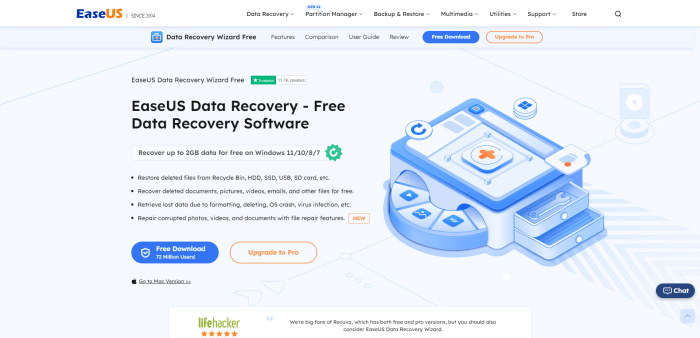
In the thrilling world of digital sleuthing, data recovery software plays the role of a trusty sidekick, swooping in to save the day just when things look grim. Imagine a scenario where a detective must retrieve lost digital clues from a crime scene; that’s where our beloved data recovery software struts in wearing a cape (okay, maybe not a literal cape, but you get the point).
This software allows forensic investigators to dive deep into the murky waters of deleted files, lost partitions, or corrupted drives, revealing hidden evidence that might have otherwise been swept under the digital rug.Data recovery software is a crucial tool in computer forensics, enabling investigators to recover vital information that can be pivotal in legal cases. In cases of cybercrime, such as hacking or data breaches, forensic experts can utilize recovery tools to sift through the debris of a compromised system.
By restoring deleted or damaged files, they can uncover communication records, financial transactions, or even incriminating documents. This not only helps in building a case but can also exonerate innocent parties by providing a clearer picture of the events that transpired.
Methods for Recovering Evidence in Legal Cases
In the courtroom battle of wits, having solid evidence is like having an extra slice of pizza at a party—everyone wants it, and it can turn the mood in your favor! Here are some effective methods through which data recovery software can aid in gathering that all-important evidence for legal investigations:
- File Carving: This is like a digital treasure hunt! By scanning through raw data from unallocated space on storage devices, data recovery tools can retrieve deleted files even if their directory entries have been lost.
- Image Recovery: Pictures speak louder than words! Investigators can recover deleted photographs or screenshots that may contain crucial evidence, helping to paint the full picture of a case.
- Document Restoration: Be it a lost contract or a sneaky email, recovery software can restore essential documents that might just tip the scales of justice in one direction or another.
- Metadata Retrieval: Metadata is the digital version of a witness with a great memory! It provides context for files, such as when they were created, modified, or accessed, offering critical timelines.
“Data recovery software transforms the seemingly impossible into a digital reality, bridging the gap between loss and retrieval.”
Role of Data Recovery in Cybersecurity
In the wild west of the internet, where cyber cowboys roam and viruses lurk, data recovery software acts as the trusty sheriff ensuring that our digital town stays safe and sound. When faced with a cyber threat from spyware or viruses, recovery software can be the knight in shining armor, helping to restore compromised systems and ensuring that sensitive data isn’t lost to the ether.
Here’s how it contributes to a more secure digital environment:
- Backup Restorations: When a security breach occurs, recovery software can restore backups, ensuring that business operations can continue with minimal interruption.
- Malware Damage Control: After a malware attack, data recovery tools can help retrieve encrypted files, giving users a fighting chance to regain access to their information.
- Incident Response: In the event of data loss due to a security incident, recovery software can be integral to the incident response process, aiding in the rapid recovery of crucial data and minimizing downtime.
- Ongoing Monitoring: Some advanced recovery tools come with monitoring features that can alert users to potential data loss threats before they become critical issues.
Closure
So, the next time you experience that heart-stopping moment of data loss, remember, there’s a digital lifeguard on duty! Data recovery software is your trusty sidekick, ready to swoop in and save the day. Whether you’re a tech-savvy whiz or just someone who accidentally clicked ‘delete’, rest easy knowing that these tools are here to help you reclaim your digital life with a dash of style and a sprinkle of humor.
FAQ Overview
What types of data can be recovered using data recovery software?
Data recovery software can recover a variety of file types including documents, images, videos, and even emails from various storage devices.
Can data recovery software work on damaged hard drives?
Yes, many data recovery tools are designed to work with damaged drives, although results may vary depending on the extent of the damage.
Is data recovery software easy to use?
Most data recovery software offers user-friendly interfaces and step-by-step wizards to guide users through the recovery process.
Will data recovery software recover all deleted files?
No, recovery success can depend on factors such as how long ago the data was deleted and whether the storage space has been overwritten.
How can I prevent data loss in the future?
Regular backups, using cloud storage, and employing a reliable antivirus program are great ways to prevent data loss.


