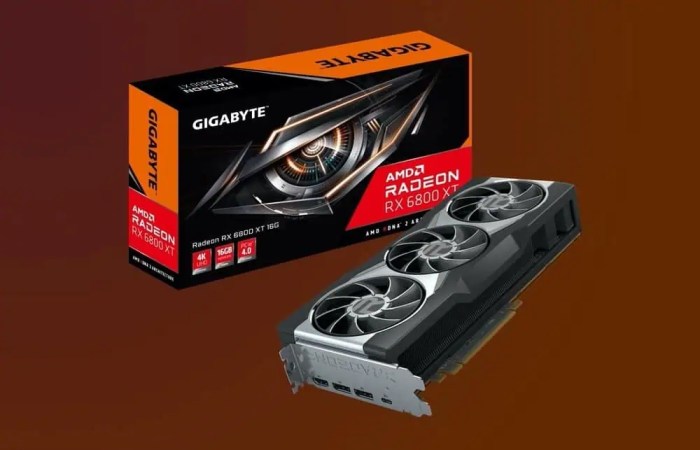
Welcome to the wild world of graphics cards, where silicon chips flex their muscles and pixels party like there’s no tomorrow! The Best graphics cards are not just pieces of hardware; they’re the superheroes of your gaming and creative endeavors, swooping in to save the day with jaw-dropping visuals and lightning-fast performance. Buckle up as we dive into the pixelated paradise of GPUs, examining the top contenders that can turn your gaming rig into a visual masterpiece.
In this adventure, we’ll uncover the reigning champions in graphics technology, dissect their key specifications, and explore the magical metrics that make these cards the elite champions of efficiency. From gaming to video editing, and even the mysterious realm of AI, we’ve got the lowdown on what to look for in the best graphics cards for your needs.
Best Graphics Cards Overview
In the sprawling kingdom of gaming and design, graphics cards reign supreme as the valiant knights that battle against lag and low frame rates. The power they wield can turn mundane pixels into breathtaking visuals, making every gaming session an adventure worth remembering. As we embark on this quest for the best graphics cards available in today’s market, let us uncover the champions that have emerged victorious and learn what sets them apart in this pixelated battlefield.
The world of graphics cards is vast and filled with technological wonders. When searching for the best, certain key specifications and performance metrics become vital in distinguishing quality from mediocrity. The essential criteria usually include clock speed, memory bandwidth, CUDA cores, and thermal design power (TDP). These specifications serve as the cornerstones of performance, allowing the graphics card to handle demanding applications and games with finesse.
The efficiency of a graphics card can be evaluated through metrics like frames per second (FPS), benchmark scores, and thermal performance, each contributing to the epic tale of gaming excellence.
Top Three Graphics Cards
In our quest to discover the top three graphics cards, we’ve sifted through a mountain of reviews, battle reports, and tech wizardry to find the champions of the realm. Here are the titans that stand tall above the rest:
- NVIDIA GeForce RTX 4090: The king of the hill, known for its breathtaking graphics performance and ray tracing capabilities. It boasts 24GB of GDDR6X memory and a turbocharged clock speed that would make even the Flash jealous.
- AMD Radeon RX 7900 XTX: A fierce competitor, delivering high performance and exceptional value. With 24GB of GDDR6 memory and a unique architecture that optimizes efficiency, this card is a formidable adversary in the graphics realm.
- NVIDIA GeForce RTX 4080: Serving as a fantastic option for gamers who want top-tier performance without the exorbitant price tag of its elder sibling. It features 16GB of GDDR6X memory and remarkable ray tracing abilities that bring games to life in stunning detail.
The selection process for these graphics cards involved analyzing their specifications and evaluating their performance. Each card excels in different areas, catering to a variety of gaming needs and preferences. The NVIDIA GeForce RTX 4090, for example, is not just a graphics card; it’s a powerhouse designed for those seeking the ultimate gaming experience. On the other hand, the AMD Radeon RX 7900 XTX offers impressive performance at a more budget-friendly price, proving that you don’t need a royal treasury to enjoy high-quality graphics.
“Performance is not just about numbers; it’s about the experience you create.”
In this epic battle of pixels, the performance metrics tell the true story. Frame rates, benchmark scores, and thermal performance are the heroes we need to gauge the capabilities of these graphics cards. A card that delivers high FPS in demanding games while maintaining optimal temperatures is akin to a knight who fights tirelessly, never wavering under pressure. As you journey through the realm of graphics cards, remember that choosing the right one is an adventure in itself, as you unlock new levels of visual splendor.
Graphics Cards for Specific Use Cases

When it comes to selecting a graphics card, it’s not just about picking the most expensive model on the market. Different tasks demand different levels of performance and features, much like how a chef needs the right knives for his culinary masterpieces. Whether you’re gaming like a pro, editing videos that make Hollywood jealous, or diving into the complex world of machine learning, the right graphics card can make all the difference.
Let’s break it down and find out which GPUs are the best fit for each of these unique use cases.
Graphics Cards for Gaming
For gamers, the graphics card is the heartbeat of the system, pumping out frames per second (FPS) like a caffeinated squirrel on a treadmill. A top-performing graphics card ensures smooth visuals, breathtaking detail, and the ability to conquer even the most demanding titles. Here are the reigning champions of the gaming world:
- NVIDIA GeForce RTX 4090: This behemoth is known for its jaw-dropping performance, capable of handling 4K gaming with ease. It harnesses ray tracing and AI-enhanced graphics for an experience that feels like stepping into the game.
- AMD Radeon RX 7900 XTX: With exceptional performance at a slightly lower price point, this card excels in high-refresh-rate gaming, making it a favorite among competitive players.
- NVIDIA GeForce RTX 3080: A balanced powerhouse that offers great performance in a variety of games, ensuring you don’t have to choose between quality and affordability.
“In gaming, FPS is everything. More frames mean more fun!”
Graphics Cards for Video Editing and 3D Rendering
Video editing and 3D rendering require not just speed, but also precision and power. The right graphics card can drastically reduce rendering times and improve playback performance, allowing creators to focus on their craft rather than waiting for their hardware to catch up. Here’s a lineup of GPUs that shine in this arena:
- NVIDIA GeForce RTX 4080: Ideal for video editors, this card features CUDA cores that accelerate video rendering and editing tasks, making your workflow smoother than a fresh jar of peanut butter.
- AMD Radeon PRO W6800: Designed specifically for professionals, this card offers a huge amount of VRAM and performance tailored to handle heavy workloads in applications like Adobe Premiere and Blender.
- NVIDIA Titan RTX: A favorite among 3D artists and animators, it provides exceptional performance for heavy 3D rendering tasks and can handle complex simulations without a hitch.
“When rendering feels like a breeze, creativity flows like a river.”
Graphics Cards for Machine Learning and AI Tasks
In the rapidly evolving world of machine learning and AI, having a powerful graphics card is akin to having a supercar in a race; it can make all the difference in processing time and efficiency. Machine learning tasks often involve handling large datasets and performing complex calculations, so let’s highlight the GPUs that are best equipped for this kind of heavy lifting:
- NVIDIA A100: The heavyweight champion for AI training, with unmatched performance across a variety of machine learning frameworks. Its architecture is designed to handle massive datasets and complex neural networks.
- AMD Radeon Instinct MI100: Tailored for data centers, this card excels in high-performance computing applications, making it a strong contender for AI research and training workloads.
- NVIDIA GeForce RTX 3090: A versatile option that not only performs well in gaming but also offers substantial power for AI tasks, making it the choice for those who dabble in both fields.
“In the realm of AI, the right GPU can turn theories into reality faster than you can say ‘neural network!’”
Related Technologies and Concepts
When diving into the world of graphics cards, it’s essential to understand the technology and concepts surrounding them. Graphics cards don’t just sprinkle some visual magic on your screen; they are the powerhouse behind your gaming experience, influencing everything from frame rates to the overall performance of your computer. Let’s break down the impact of these pixel-pushing marvels, the role of PCIe slots, and how they tango with CPUs and memory to create a symphony of digital delight.
Impact of Graphics Cards on Overall Computer Performance and Gaming Experience
Graphics cards serve as the lifeblood of any visual computing experience, transforming the mundane into the extraordinary. Their ability to process complex calculations and render graphics at lightning speed directly affects the gameplay and performance of a computer. In gaming, a good graphics card can mean the difference between a smooth, immersive experience and a frustrating slideshow.Consider the following points illustrating their impact:
- Frame Rate and Resolution: Higher-end graphics cards can handle higher resolutions (think 4K) and maintain high frame rates, making your games look stunning and run smoothly.
- Visual Effects: Advanced graphics cards support rich visual effects, bringing games to life with realistic shadows, lighting, and textures that make you feel like you’re inside the game.
- VR and Ray Tracing: Modern graphics cards are designed to support cutting-edge technologies like virtual reality and ray tracing, providing an unparalleled level of realism and immersion.
“The graphics card isn’t just an accessory; it’s the heart of your gaming experience.”
Role of PCIe Slots in Graphics Card Installation and Functionality
PCIe slots are the highways on which graphics cards travel to communicate with the rest of your computer. The evolution of the PCIe (Peripheral Component Interconnect Express) standard has revolutionized how devices connect, with PCIe slots providing increased bandwidth and speed. A graphics card slotted into a PCIe slot isn’t just finding a home; it’s establishing a critical connection that determines how efficiently data flows between components.Key aspects of PCIe slots include:
- Speed and Bandwidth: PCIe slots come in various versions, with PCIe 4.0 and 5.0 offering significant improvements in data transfer rates, which is crucial for high-performance graphics cards.
- Slot Compatibility: Most modern graphics cards fit into PCIe x16 slots, ensuring they have enough lanes for high-speed data transfer, but understanding motherboard compatibility is vital.
- Physical Space: The size of the PCIe slot also influences the design of the graphics card, affecting cooling solutions and overall aesthetics.
“Think of PCIe slots as the Uber drivers for your graphics card, ensuring it gets to the right destinations at top speeds.”
Interaction Between Graphics Cards, CPUs, and Memory
The relationship between graphics cards, CPUs, and system memory is a delicate dance of data processing and speed. While the CPU handles general computations and tasks, the graphics card takes charge of rendering images and video, offloading work and allowing for smoother performance. This collaboration is essential for optimal computer performance.Here’s how these components interact:
- Data Transfer: The CPU sends tasks to the graphics card, which then processes them and returns the rendered image, requiring fast data transfer to maintain fluidity in performance.
- Shared Memory: Graphics cards use dedicated memory (VRAM) for storing textures and graphics data, while system memory (RAM) assists in overall performance. Balancing the two is vital for avoiding bottlenecks.
- Performance Bottlenecks: A powerful graphics card paired with a weak CPU can lead to underwhelming performance, as the CPU may struggle to keep up with the demands of modern games.
“In the world of computing, harmony between the CPU, memory, and graphics card leads to a performance symphony, not a cacophony.”
Ultimate Conclusion
As we wrap up this thrilling ride through the realm of graphics cards, it’s clear that choosing the right GPU can be the difference between merely playing a game and living within it. Whether you’re a hardcore gamer, a creative wizard, or an aspiring AI guru, the Best graphics cards are your trusty sidekicks on the road to incredible performance.
So gear up, choose wisely, and may your frames be high and your temperatures low!
Answers to Common Questions
What should I look for in a graphics card?
Focus on VRAM, core count, clock speed, and overall compatibility with your system.
Are more expensive graphics cards always better?
Not necessarily; it depends on your specific needs and how you plan to use them!
Can I use multiple graphics cards in one system?
Yes, but only if your motherboard supports SLI or CrossFire configurations.
How do I know if my power supply is sufficient for a new graphics card?
Check the wattage requirements of the GPU and ensure your power supply exceeds that number.
What is the difference between integrated and dedicated graphics?
Integrated GPUs are built into the CPU, while dedicated graphics cards are separate hardware that offers superior performance.


