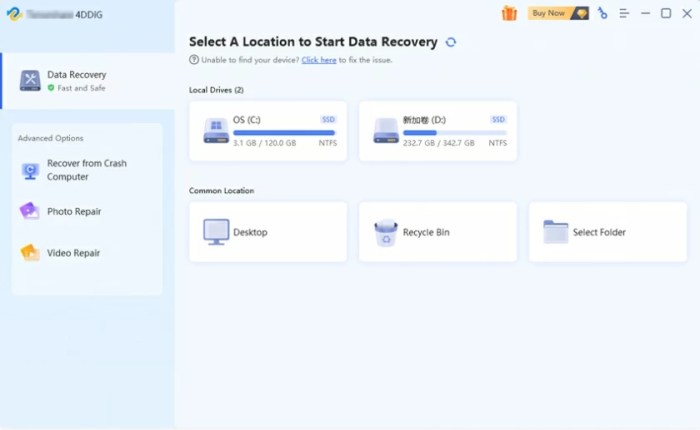
Data recovery tools are like the superheroes of the digital world, swooping in to save the day when your precious files go missing faster than your motivation on a Monday morning. Whether it’s that important report you forgot to back up or your grandma’s secret cookie recipe that vanished into the digital abyss, these trusty gadgets are here to rescue your lost data and restore your sanity.
In a world where data equals everything, understanding the diverse array of data recovery tools available is crucial for both individuals and businesses. From flashy software solutions to expert techniques, we’ll unravel the mysteries of data recovery and equip you with the knowledge to make informed decisions. So buckle up; it’s time to dive into the world of data rescue!
Data Recovery Tools Overview

Data loss can feel like losing a sock in a washing machine—mysterious, frustrating, and sometimes, you just can’t find that precious data again. Fortunately, data recovery tools are the superheroes of the digital world, ready to save the day! From accidental deletions to catastrophic hardware failures, these tools can help individuals and businesses recover their lost information and restore peace of mind.The market is flooded with various data recovery tools, each boasting unique features designed to tackle specific types of data loss scenarios.
Understanding the importance and functionality of these tools is crucial for making an informed choice. They can save not just invaluable memories and important documents for individuals, but also critical business data that can impact operations, finances, and reputation if lost.
Types of Data Recovery Tools
Choosing the right data recovery tool is a bit like picking the right superhero for the job; each has its strengths and specialties. Below are some common types of data recovery tools available:
- File Recovery Software: Tailored for situations where files are mistakenly deleted or lost from the recycle bin. Examples include Recuva, EaseUS Data Recovery Wizard, and Stellar Data Recovery.
- Disk Recovery Software: Designed to recover lost files from damaged or formatted disks. Tools such as TestDisk and R-Studio come in handy here.
- Partition Recovery Tools: These tools specialize in restoring lost partitions and accessing data from unreadable drives. MiniTool Partition Wizard is a popular choice.
- Photo Recovery Tools: As the name suggests, these are focused on retrieving lost photos from storage devices. Tools like PhotoRec and Disk Drill are champions in this category.
- Data Recovery Services: For severe cases where DIY solutions fail, professional data recovery services like DriveSavers or Ontrack can retrieve data from physically damaged drives.
Importance of Data Recovery Tools
Data recovery tools are not just nice to have; they are essential in the digital age where data drives decisions and actions. Whether you’re an individual archiving family photos, or a business safeguarding client information, the potential for data loss lurks around every corner.
“In the realm of data, prevention is always better than cure, but when disaster strikes, data recovery tools are your first line of defense.”
The implications of data loss can be dire, leading to lost productivity, financial loss, and reputational damage. Therefore, deploying effective data recovery tools is akin to insurance—it might be a hassle to think about, but when things go wrong, you’ll be glad you invested in it.
Key Features to Look For
When selecting a data recovery tool, it’s crucial to consider certain key features that can make or break your recovery success. Here’s what to look for when shopping around:
- Compatibility: Ensure the software supports your operating system (Windows, macOS, Linux) and the file formats you need to recover.
- Recovery Capabilities: Look for tools that can recover various file types and handle different data loss scenarios, such as accidental deletions, formatting, or corruption.
- User-Friendly Interface: A simple and intuitive interface means you can get back to recovery without needing a PhD in computer science.
- Preview Feature: Some advanced tools allow you to preview recoverable files before committing to the recovery process—like a sneak peek at your favorite movie before buying a ticket.
- Fast Scanning: Quick scanning capabilities can save time, especially when you’re in a hurry to recover that important presentation due tomorrow.
Conclusion
With a plethora of data recovery tools available, selecting the right one can be a daunting task. However, understanding the different types of tools, their importance, and the key features to consider will empower you to make an informed decision. Whether it’s a lost photo or a critical business document, there’s a tool out there ready to rescue your cherished data!
Data Recovery Techniques
Data recovery might sound like a superhero mission, but trust me, it’s more about science, patience, and a sprinkle of luck. When data goes missing, whether it’s your cat video collection or last week’s notes for that presentation you totally didn’t procrastinate on, there are several techniques that can be deployed to rescue the day. Let’s buckle up and dive into the fascinating world of data recovery techniques that can turn despair into a triumphant dance party of restored files.
Physical vs. Logical Data Recovery Methods
Understanding the difference between physical and logical data recovery methods is essential. Think of it this way: if the hard drive were a house, physical recovery would be like sending in a team of construction workers to fix structural damage, while logical recovery would be akin to finding the right key to open the front door that seems mysteriously locked.Physical data recovery is employed when there is a mechanical failure or physical damage to the storage device, such as a hard drive crash, water damage, or a nasty drop.
This method often requires specialized equipment and an environment controlled to prevent further damage (yes, they need a superhero cape in the form of a cleanroom). Logical data recovery, on the other hand, is used when the data is still physically intact but inaccessible due to issues like file system corruption or accidental deletions. This method is akin to a magician pulling a rabbit out of a hat—without the smoke and mirrors, but with a lot more software wizardry.Here’s a quick comparison:
| Method | Definition | Common Causes | Tools Required |
|---|---|---|---|
| Physical Recovery | Restoration of data from physically damaged drives. | Mechanical failure, water damage | Cleanroom, specialized tools |
| Logical Recovery | Restoration of data from logically damaged drives. | Accidental deletion, corruption | Data recovery software |
Step-by-Step Use of Popular Data Recovery Software
When you’re ready to don the cape of a data recovery hero yourself, using data recovery software can be a game-changer. Here’s a step-by-step guide to using one of the most popular tools, Recuva, because who doesn’t love a little DIY?
1. Download and Install
Start by downloading Recuva from its official website. Make sure to install it on a different drive than the one you’re trying to recover from to avoid overwriting data.
2. Launch the Software
Open Recuva after installation. You’ll be greeted by a friendly wizard. Yes, it’s like Harry Potter for your files.
3. Select File Type
The wizard will ask what type of files you’re looking to recover. Whether it’s pictures, documents, or videos, pick your poison.
4. Choose the Location
Next, you’ll specify where the files were located. If you’re not sure, just select “I’m not sure” and let the software do its magic.
5. Scan Options
Decide if you want a quick scan or a deep scan. A deep scan may take longer, but it’s like a detective searching for clues under every rug.
6. Review the Results
Once the scan is complete, you’ll see a list of recoverable files. They’ll be marked with colors indicating the likelihood of successful recovery—green is good, red means it’s probably a lost cause.
7. Recover
Select your files and hit “Recover.” Choose a safe destination on a different drive, and voilà! Your data has been resurrected. Cue the confetti!
8. Backup
Finally, learn from your experience! Regular backups can save you from needing to go through this process in the future. You wouldn’t want to chase the same ghost twice, after all.
“Data may be lost, but with the right techniques, it can also be found! Like magic, but with less glitter.”
Related Tech Areas
In the ever-evolving realm of technology, data recovery plays a pivotal role that stretches far beyond simple file restoration. Essentially, it’s the superhero of the digital world, swooping in to save the day when data disasters strike. From corrupted hard drives to accidentally deleted files, the collaboration between computers and technology is crucial in the quest for data retrieval and preservation.The impact of computer forensics in data recovery efforts cannot be overstated.
Forensics is the sophisticated sidekick armed with tools and techniques that uncover the truth behind data loss, often delving into the depths of corrupted drives and malicious attacks. This branch of technology not only aids in recovering lost data but also in gathering evidence for legal proceedings. The meticulous nature of computer forensics draws from a blend of IT expertise and investigative skills, making it an essential asset in today’s data-driven society.
Certifications for Data Recovery Professionals
For those looking to step into the exciting world of data recovery, pursuing relevant certifications is a surefire way to enhance expertise and credibility. These certifications demonstrate a professional’s commitment to mastering the complexities of data recovery and forensics. Below is a resource list of certifications that are crucial for aspiring data recovery heroes:
- Certified Data Recovery Professional (CDRP)
-This certification focuses on the knowledge and techniques necessary for effective data recovery practices. - Certified Information Systems Security Professional (CISSP)
-While primarily a cybersecurity credential, CISSP covers essential principles that are valuable in safeguarding data during recovery efforts. - CompTIA A+
-This foundational certification provides a broad understanding of hardware and software, crucial for any data recovery technician. - Certified Ethical Hacker (CEH)
-Equipping professionals with hacking tools and techniques, this certification can aid in identifying vulnerabilities that may lead to data loss. - EnCase Certified Examiner (EnCE)
-Focused on forensic analysis, this certification highlights skills essential for uncovering data and evidence from compromised systems.
Gaining these certifications not only broadens knowledge but also opens doors to various opportunities in the data recovery landscape. By equipping professionals with the right tools and skills, they become the guardians of our digital treasures, ready to tackle data crises with confidence and finesse.
Final Wrap-Up
So there you have it, folks! Data recovery tools promise to be your digital security blanket, keeping your bits and bytes safe from the clutches of despair. Whether you choose to navigate the waters of data recovery yourself or call in the experts, remember – in the battle against data loss, knowledge is power, and a dash of humor never hurts.
Now go forth and recover like the data warrior you were always meant to be!
Question Bank
What types of data recovery tools are available?
There are several types, including software tools for logical recovery, hardware solutions for physical damage, and cloud recovery services that save your day from afar.
How do I choose the right data recovery tool?
Look for features like user-friendliness, support for various file types, recovery speed, and customer reviews that scream, “This worked wonders for me!”
Can I recover data myself?
Absolutely! Many tools are designed for DIY data recovery, but make sure to follow the instructions closely unless you enjoy the thrill of unpredictability!
What are the risks of using data recovery tools?
Risks include potential further data loss or corruption if not used correctly, but hey, it’s all part of the adventure!
Is data recovery guaranteed?
Unfortunately, there are no guarantees in life – or data recovery! Success depends on factors like the extent of the damage and the tool used.


